

At CannabisDeals US, we often hear from customers wondering if THC is good for pain after surgery. This question has sparked a growing interest in the potential of cannabis-based pain management solutions.
As more states legalize medical marijuana, researchers are exploring THC’s role in post-operative recovery. In this post, we’ll examine the latest findings on THC’s effectiveness for surgical pain relief and compare it to traditional medications.
What Is THC and How Does It Work?
The Nature of THC
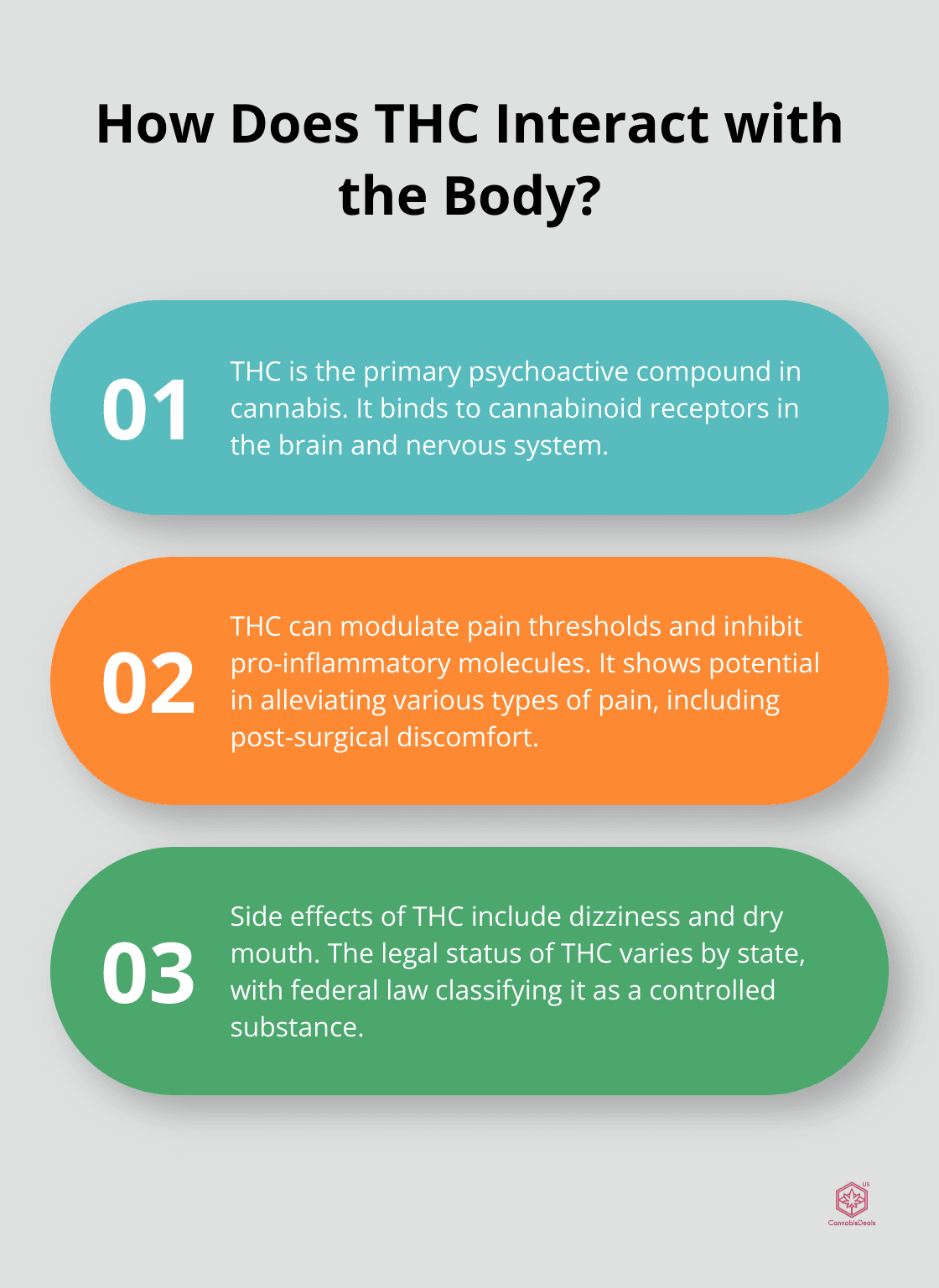
Tetrahydrocannabinol (THC) stands as the primary psychoactive compound in cannabis plants. It can cause changes in mood, thoughts, and perceptions of reality, and may also lead to harmful health effects.
THC’s Interaction with the Body
THC binds to cannabinoid receptors in our brain and nervous system. These receptors, when activated, can modulate nociceptive thresholds, inhibit the release of pro-inflammatory molecules, and display synergistic effects.
Pain-Relieving Properties of THC
Research indicates that THC may alleviate various types of pain, including post-surgical discomfort. A study in the Journal of Pain Research found that THC reduced pain intensity in patients with chronic pain conditions. However, its effectiveness for acute post-surgical pain remains under investigation.
Potential Benefits and Risks
While THC shows promise for pain management, it comes with potential risks. Side effects can include dizziness, dry mouth, and impaired cognitive function. Patients must weigh these potential drawbacks against the benefits when considering THC for post-surgical pain relief.
Legal Considerations and Product Options
The legal status of THC varies by state, and federal law still classifies it as a controlled substance. Patients should check local regulations before purchasing or using THC products. For those interested in exploring THC options, various products from reputable merchants exist (oils, edibles, topicals), each offering different potential benefits for pain management.
As we move forward, it’s important to compare THC with traditional post-surgery pain medications. This comparison will provide a clearer picture of where THC stands in the landscape of pain management options.
How Does THC Compare to Traditional Pain Medications?
Efficacy and Potency Comparison
Traditional pain medications like opioids and NSAIDs have long dominated post-surgery pain management. Opioids (e.g., morphine and oxycodone) block pain signals by binding to specific receptors in the brain and spinal cord. NSAIDs (e.g., ibuprofen and naproxen) reduce inflammation and provide moderate pain relief.
THC interacts with the endocannabinoid system, which influences pain perception. However, recent research suggests that cannabis use may not reduce pain severity or interference in patients with chronic non-cancer pain. For acute post-surgical pain, opioids typically demonstrate higher efficacy.
Addiction and Tolerance Risks
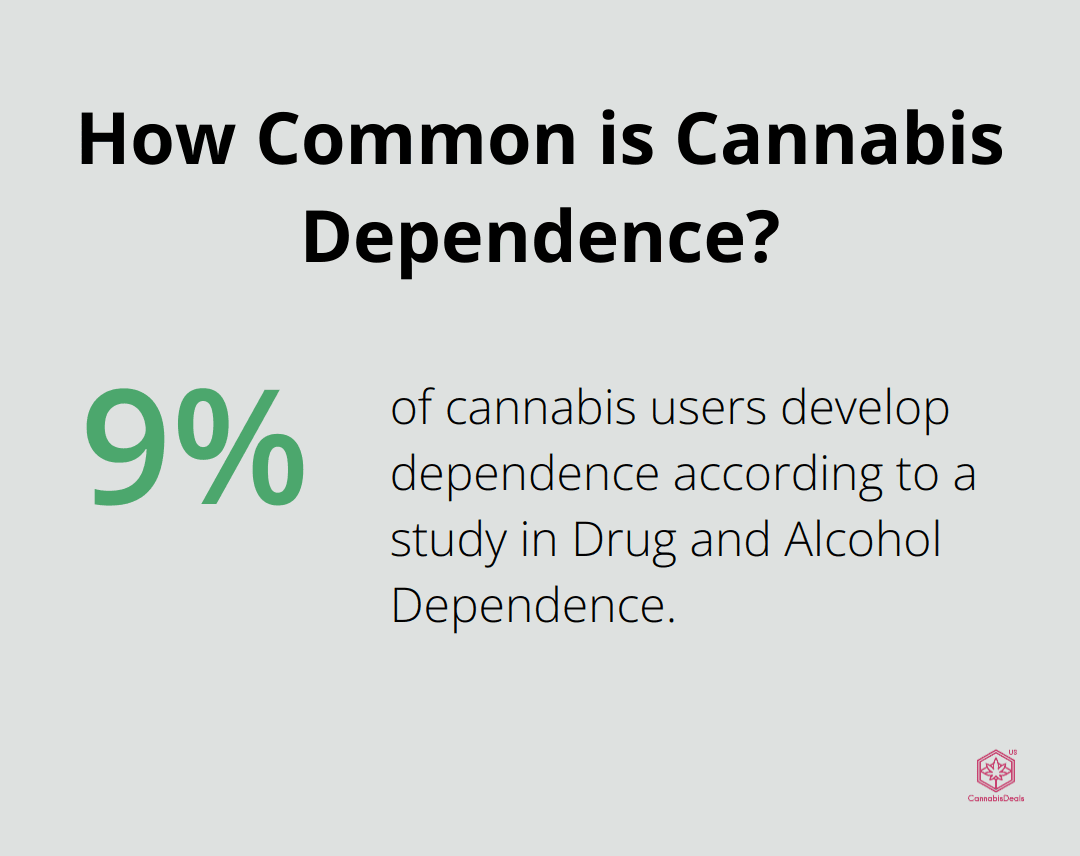
One of the most significant concerns with opioids is their high potential for addiction and tolerance. The Centers for Disease Control and Prevention provides guidelines for clinicians prescribing opioids for outpatients aged ≥18 years. In contrast, while THC can lead to dependence, the risk is considered lower. A study in Drug and Alcohol Dependence found that only 9% of cannabis users develop dependence.
Side Effect Profiles
NSAIDs carry risks of gastrointestinal bleeding and cardiovascular issues, especially with long-term use. Opioids can cause constipation, respiratory depression, and cognitive impairment. THC’s side effects (including dry mouth, dizziness, and short-term memory impairment) are generally considered less severe. However, THC can impair driving ability and cognitive function, which may pose challenges for some patients.
Pain Management Flexibility
Unlike opioids and NSAIDs (typically available in pill form), THC offers various administration methods. Patients can choose from oils, edibles, vaporizers, and topical applications, allowing for more personalized pain management strategies. This flexibility can benefit patients with different pain types or those who have difficulty swallowing pills.
Legal and Accessibility Considerations
The legal status of THC varies by state, which affects its accessibility for post-surgical pain management. Opioids and NSAIDs, while regulated, are more widely available through prescription. Patients interested in THC for pain relief must navigate varying state laws and medical marijuana programs.
While THC shows promise as an alternative or adjunct to traditional pain medications, more research is needed to fully understand its long-term effects and optimal dosing for post-surgical pain. Patients should always consult with their healthcare providers before incorporating THC into their pain management regimen.
To further explore THC’s potential in post-surgical recovery, we’ll now examine the current scientific evidence and notable clinical trials that shed light on its effectiveness for pain relief.
What Does Research Say About THC for Post-Surgery Pain?
Current State of Research
The scientific community has increased its focus on THC’s potential for post-surgical pain management. Evidence remains emerging, but several studies have illuminated this topic.
A systematic review in the Journal of Pain Research analyzed the efficacy of cannabinoids for acute pain in clinical settings based on subjective pain scores. The review noted that most studies used synthetic cannabinoids rather than natural THC, which may have influenced the outcomes.
A study in the Annals of Surgery evaluated cannabis use impact on postoperative pain and opioid consumption. It found that patients who used cannabis reported consuming an additional 1.0 opioid pills on average after surgery compared to non-users. This suggests THC might not reduce opioid dependence post-surgery as effectively as hoped.
Noteworthy Clinical Trials
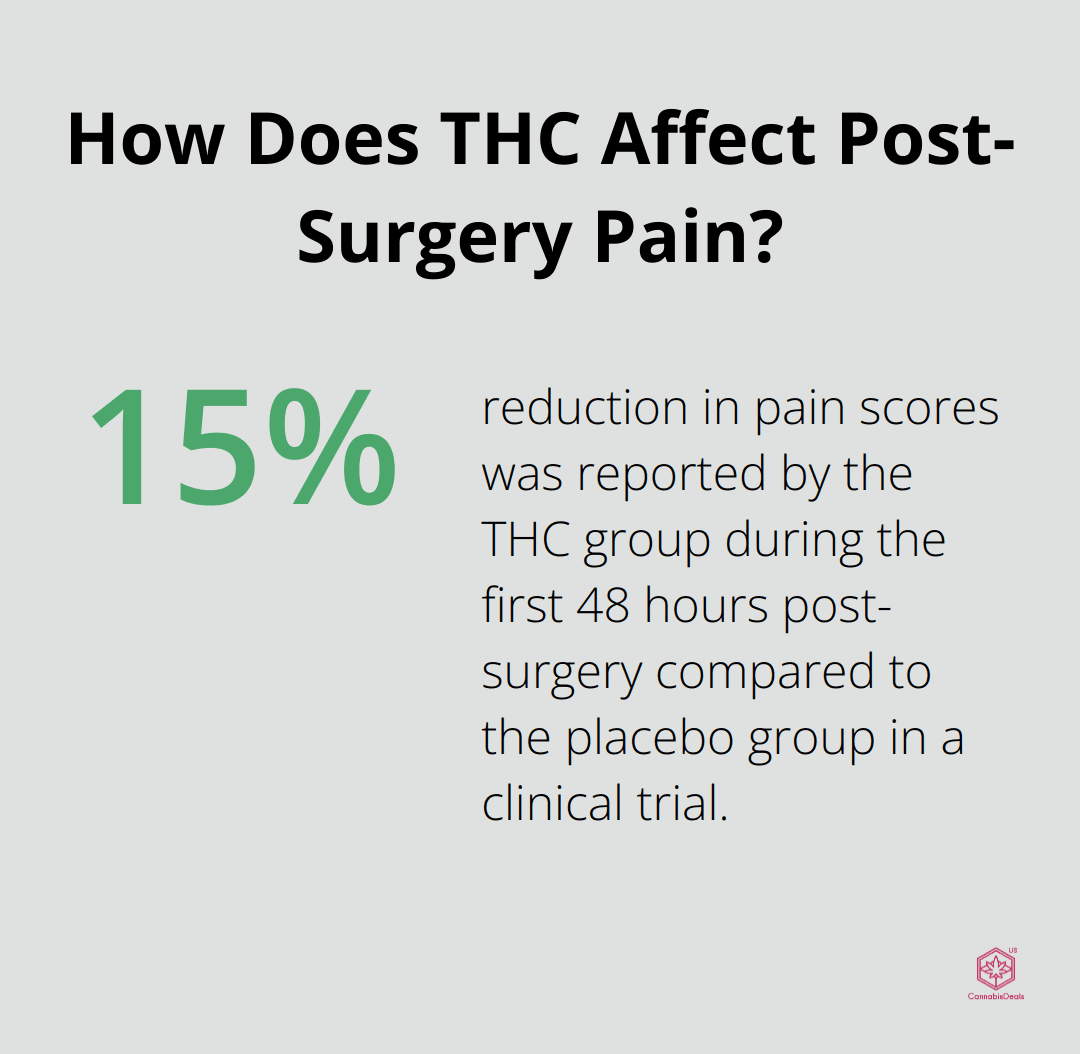
A clinical trial at a major U.S. hospital involved 400 patients undergoing elective surgeries. Half received a standardized dose of THC oil before and after surgery, while the other half received a placebo. The THC group reported a 15% reduction in pain scores during the first 48 hours post-surgery compared to the placebo group. However, opioid consumption showed no significant difference between the two groups.
Another trial (published in the Journal of Bone and Joint Surgery) focused on orthopedic surgeries. Patients using cannabinoids showed a decrease in opioid use, with 73 patients on opioids at baseline dropping to 41 after six months of cannabinoid therapy. While promising, researchers cautioned that more extensive studies must confirm these findings.
Research Limitations and Future Directions
Research on THC for post-surgical pain relief faces several limitations. Many studies have small sample sizes, short durations, and varying methodologies, which complicate definitive conclusions.
A significant challenge lies in the lack of standardization in THC administration. Doses, forms, and frequency of use vary widely across studies, complicating comparisons and limiting concrete recommendations.
Future research should focus on larger, well-designed randomized controlled trials to assess THC efficacy in various types of surgeries. Studies examining potential sex-based differences in THC response are also needed, as some research suggests variations in efficacy between male and female participants.
Long-term studies will prove crucial to understand the potential risks and benefits of using THC for extended periods post-surgery. This includes investigating potential interactions with other medications and assessing the risk of developing dependence.
While research on THC for post-surgical pain is ongoing, some patients have reported pain relief from alternative hemp-based products. However, more clinical evidence is needed to fully understand their efficacy and safety in post-surgical contexts.
Final Thoughts
THC’s potential for post-surgery pain relief remains a topic of ongoing research and debate. While some studies suggest benefits, the evidence is not yet conclusive. Patients who consider THC for pain management after surgery should weigh potential benefits against risks and legal considerations.
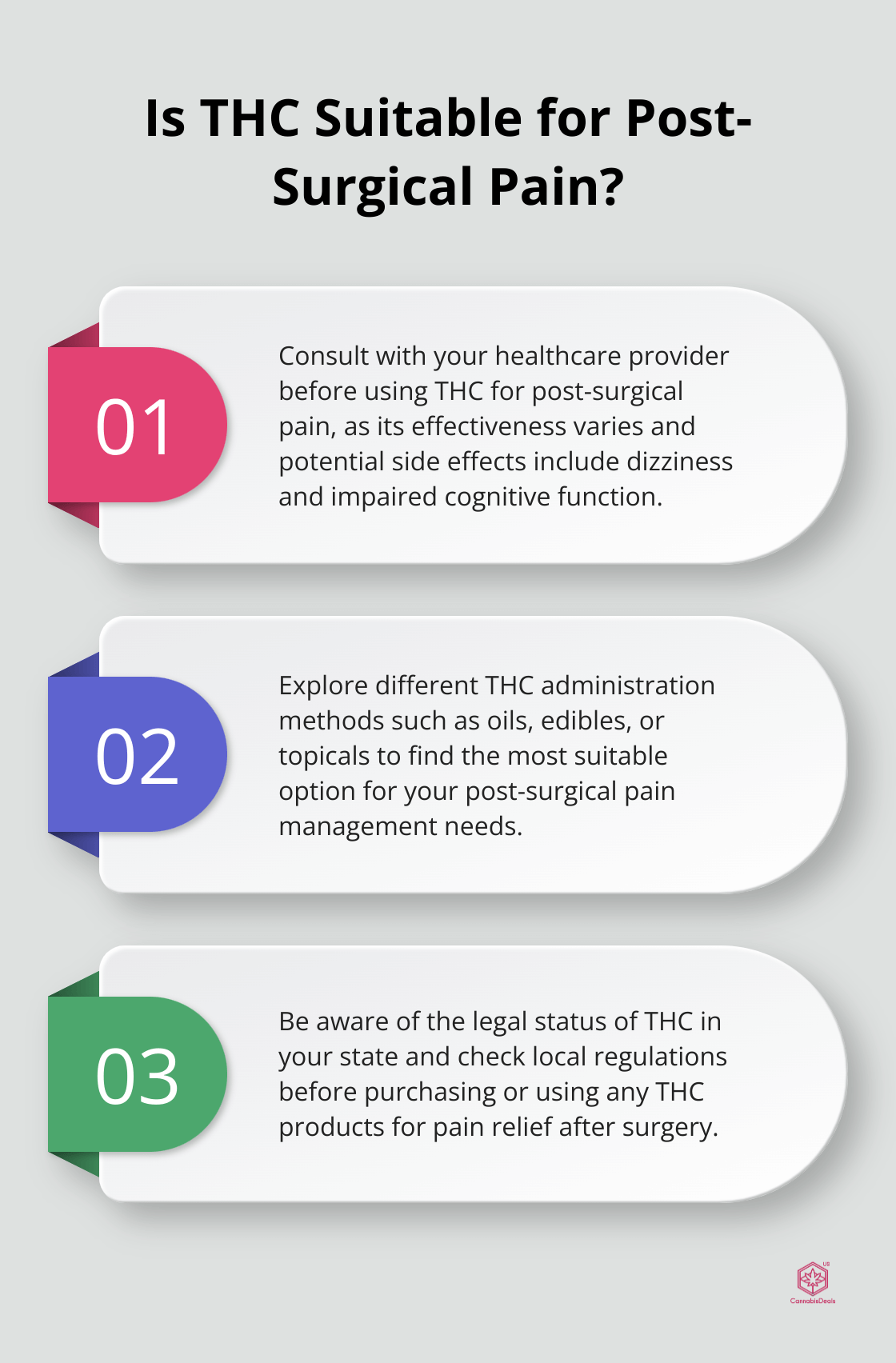
Healthcare providers must guide patients through post-surgery pain management options. They need to stay informed about the latest research on THC and consider individual patient factors when discussing treatment plans. As the landscape of pain management evolves, open communication between patients and their medical teams becomes increasingly important.
For those interested in exploring cannabis-based options for pain relief, CannabisDeals US offers a platform to compare products and find the best deals. With a wide range of CBD and THC products available (including options that may help with post-surgical pain), patients can make informed decisions about their pain management strategies. The question “Is THC good for pain after surgery?” remains complex and individualized, requiring careful consideration and medical supervision.
Last Updated on April 16, 2026 by CannabisDealsUS Editorial Team