
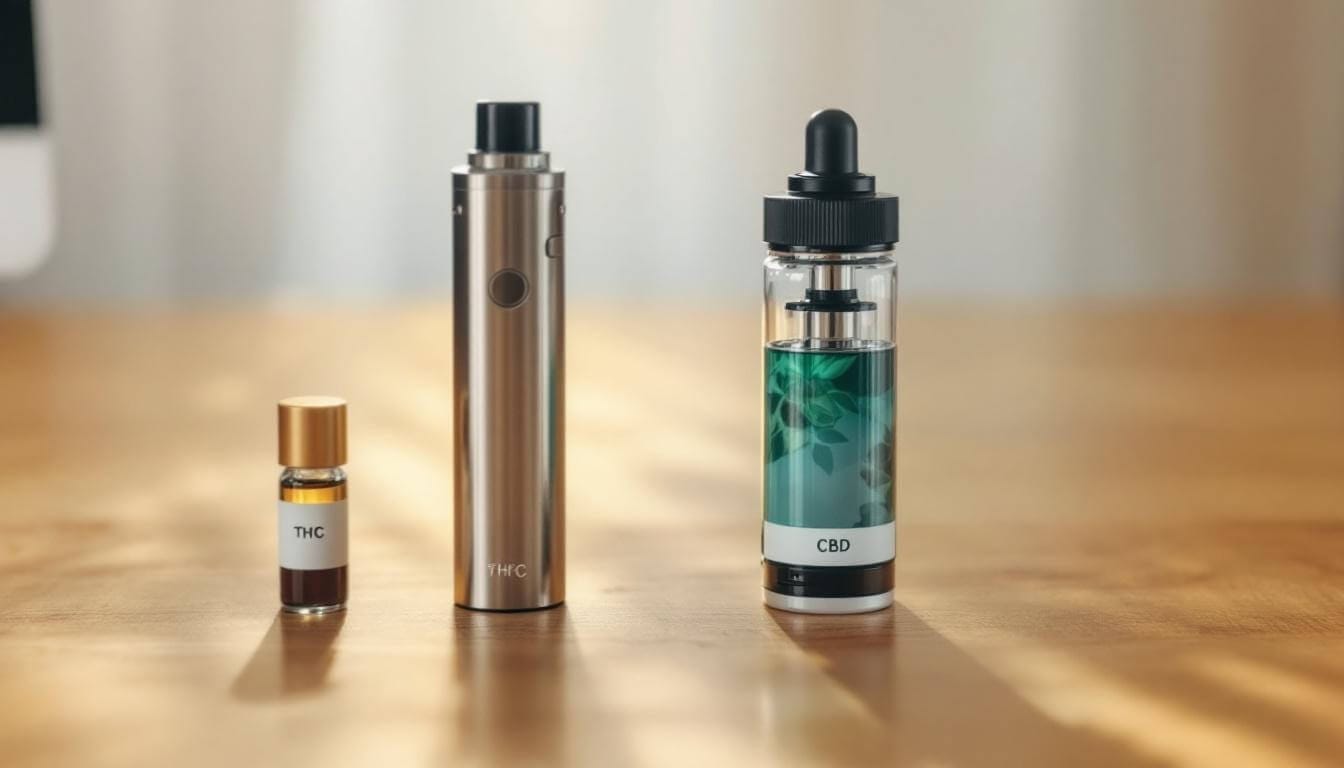
Vaping THC vs CBD has become a hot topic in the cannabis community. At CannabisDeals US, we’ve seen a surge in questions about the differences between these two popular cannabinoids.
Understanding the distinctions between THC and CBD is essential for consumers seeking tailored experiences. THC, known for its psychoactive properties, often delivers euphoric effects, while CBD is celebrated for its therapeutic benefits without inducing intoxication. This guide will also address important factors such as dosage, legal implications, and the potential health impacts associated with each cannabinoid, equipping you with comprehensive insights for responsible use.
What Are THC and CBD?
THC and CBD stand as the two most prominent cannabinoids found in cannabis plants. While they share similar molecular structures, their effects on the human body differ significantly.
Vaping THC can provide a relaxing and enjoyable experience, perfect for those looking to unwind, while vaping CBD is often chosen for its calming properties without the high. Exploring these options can help you find the right fit for your lifestyle and needs. Whether you’re curious about the best ways to vape or interested in the specific benefits each cannabinoid offers, understanding these differences is key to enhancing your cannabis experience. Dive into our guide for friendly tips and insights on making informed choices.
Chemical Composition and Effects
THC (tetrahydrocannabinol) is the psychoactive compound responsible for the “high” associated with cannabis use. It binds strongly to CB1 receptors in the brain, producing euphoria, altered perception, and increased appetite. CBD (cannabidiol) doesn’t cause intoxication. It interacts with the endocannabinoid system differently, potentially offering therapeutic benefits without the high.

A 2016 study published in Biological Psychiatry revealed that THC levels in cannabis increased from about 4% in 1995 to approximately 12% in 2014. This trend towards higher potency has raised concerns about potential health risks, especially for new users.
Legal Status in the US
The legal landscape for THC and CBD is complex and evolves rapidly. As of November 2024, 38 states and D.C. have legalized medical cannabis with high THC levels. Recreational use is legal in fewer states, but the number grows steadily.
The 2018 Farm Bill removed hemp, defined as cannabis and derivatives of cannabis with extremely low concentrations of THC, from the definition of marijuana in the Controlled Substances Act. However, CBD products aren’t FDA-approved, except for Epidiolex (a prescription medication for rare forms of epilepsy).
It’s essential to check local laws before purchasing or using any cannabis products, as regulations can change quickly and vary by state.
Medical and Recreational Uses
THC has shown potential in treating conditions like chronic pain, muscle spasticity, and chemotherapy-induced nausea. The FDA has approved synthetic THC formulations (such as nabilone and dronabinol) for specific medical uses.
CBD is under study for its potential to alleviate anxiety, depression, and chronic pain. According to a 2020 SingleCare survey, among Americans who use CBD, the most common uses are for pain relief (64%), anxiety (49%), and insomnia (42%).
Recreationally, THC is popular for its euphoric effects. CBD, being non-intoxicating, is often used for general wellness. The global CBD market was valued at $4.6 billion in 2018 and is projected to reach $23.6 billion by 2025, according to Grand View Research.
When choosing between THC and CBD products, consider your specific needs, local laws, and potential side effects. Always consult with a healthcare professional before starting any new supplement regimen, especially if you have pre-existing health conditions or take medications.
As we move forward, let’s explore the specific benefits and considerations of vaping cannabis oils, a method that has gained popularity among cannabis enthusiasts in recent years.
How THC Vaping Affects You
Rapid Onset and Potent Effects
THC vaping has gained popularity due to its quick onset and strong effects. When you inhale THC vapor, it enters your bloodstream through the lungs and reaches the brain within minutes. This rapid absorption leads to almost immediate effects, which typically peak within 30 minutes and last 1-3 hours.

The fast-acting nature of THC vaping makes it an attractive option for those who seek quick symptom relief. This rapid onset can benefit individuals managing acute pain, nausea, or anxiety attacks.
However, the intensity of the experience can overwhelm novice users. The high potency of many THC vape products can lead to stronger psychoactive effects than traditional smoking methods. This increased potency raises concerns about potential risks, especially for individuals with a low tolerance or pre-existing mental health conditions.
Potential Benefits and Risks
THC vaping offers several potential therapeutic benefits. It may alleviate chronic pain, reduce inflammation, and improve sleep quality. A study found that among adults with chronic pain in states with medical cannabis laws, 3 in 10 persons reported using cannabis to manage their pain.
However, the psychoactive effects of THC can also lead to short-term memory impairment, altered perception, and in some cases, increased anxiety or paranoia. Long-term heavy use of high-potency THC products has been associated with an increased risk of developing cannabis use disorder.
Safe Vaping Practices
To minimize risks associated with THC vaping, start with low doses and gradually increase as needed. This approach (known as microdosing) allows you to find the minimum effective dose for your needs while reducing the likelihood of adverse effects.
Always purchase THC vape products from licensed dispensaries to ensure quality and safety. A 2019 report by the CDC linked a nationwide outbreak of e-cigarette or vaping product use-associated lung injury (EVALI) to vitamin E acetate, an additive found in some illicit THC vaping products.
Proper storage of your vape pen and cartridges is essential. Keep them away from direct sunlight and extreme temperatures to maintain product integrity. Clean your device regularly to prevent the buildup of residue, which can affect vapor quality and potentially introduce harmful substances into your lungs.
Be mindful of your surroundings when vaping THC. The effects can impair your ability to drive or operate machinery, so plan accordingly. If you’re new to THC vaping, it’s advisable to have a trusted friend present during your first few sessions to ensure your safety and comfort.
While THC vaping offers unique benefits, it’s important to understand the potential risks and practice responsible use. As we shift our focus to CBD vaping, you’ll discover how this non-psychoactive cannabinoid provides a different set of effects and benefits for users seeking alternative wellness options.
How CBD Vaping Differs from THC
Non-Intoxicating Nature of CBD
CBD vaping offers a distinct experience from THC. CBD doesn’t produce a high, making it suitable for daily use. It interacts with the endocannabinoid system differently than THC. CBD doesn’t bind strongly to CB1 receptors in the brain, which are responsible for the intoxicating effects of THC. Users can vape CBD without experiencing altered perception or impaired cognitive function.

A 2017 World Health Organization report stated that CBD exhibits no effects indicative of any abuse or dependence potential in humans. This makes CBD vaping a viable option for those who want to maintain mental clarity while potentially addressing various health concerns.
Potential Health Benefits
CBD shows promise in addressing a range of health issues. A 2019 study published in the Journal of Clinical Medicine found that CBD may help reduce anxiety and improve sleep quality in patients.
For pain management, CBD vaping could offer relief for those dealing with chronic pain conditions.
CBD’s anti-inflammatory properties have also garnered attention. A 2015 study in the European Journal of Pain showed that CBD applied on the skin could help lower pain and inflammation due to arthritis.
Safety Considerations and Side Effects
CBD is generally well-tolerated, but it’s not without potential side effects. Common issues reported include fatigue, changes in appetite, and diarrhea. These effects are typically mild and often subside with continued use or dosage adjustment.
CBD can interact with certain medications, particularly those metabolized by the liver. Always consult with a healthcare professional before starting a CBD regimen, especially if you’re taking other medications.
Quality and Purity Concerns
The quality and purity of CBD vape products are paramount. This underscores the importance of choosing reputable brands and third-party tested products.
When selecting CBD vape products, look for companies that provide certificates of analysis (COAs) from independent laboratories. These documents verify the CBD content and ensure the product is free from harmful contaminants like pesticides and heavy metals.
Market Growth and Consumer Education
As the CBD market continues to grow, staying informed about product quality, potential benefits, and safety considerations is important. This rapid growth highlights the need for consumer education and product transparency.
Final Thoughts
Vaping THC vs CBD offers distinct experiences and potential benefits. THC vaping provides rapid onset and potent effects, while CBD vaping presents a non-intoxicating alternative with promising therapeutic potential. Quality and safety in vaping products are paramount, so users should always purchase from reputable sources and check for third-party lab testing results.

Personal needs, local laws, and potential health implications should guide informed choices about cannabis vaping. Users should start with low doses, especially when trying new products, and pay attention to how their bodies respond. Individual experiences can vary, and what works for one person may not work for another.
CannabisDeals US compares prices on thousands of CBD and THC items, helping users find the best deals while making educated decisions about cannabis consumption. The cannabis industry continues to evolve, so staying informed about new research, regulations, and product developments is essential. Users should approach cannabis use responsibly and with an open mind to potentially enhance their well-being while minimizing risks.
For a deeper breakdown of how vaping compares to flower and what that means for effects, cost, and dosing, read our THC Vape vs THC Flower Guide.
Last Updated on April 16, 2026 by CannabisDealsUS Editorial Team