

Neuropathy can be a debilitating condition, causing chronic pain and discomfort for millions of people. While there are various treatment options available, there’s one game-changing remedy that’s been gaining attention for its potential to provide relief: THC. Yes, you heard that right – the compound found in marijuana. But before you write it off as just another recreational drug, let me share with you five compelling reasons why THC may be the answer to managing neuropathy symptoms. Get ready to unlock the power of THC and discover how it could be a game-changer for those suffering from neuropathy.
At CannabisDeals US, we’ve seen growing interest in THC for neuropathy management.
This blog post will explore how THC might help alleviate neuropathic symptoms and provide practical tips for those considering this alternative treatment option. We’ll guide you through product selection, dosing strategies, and ways to maximize the potential benefits of THC for neuropathic pain relief.
How THC Helps Neuropathy
Introduction to THC and neuropathy
Neuropathy is a debilitating condition that affects millions of people worldwide, but could THC be the solution we’ve been waiting for? Many individuals are turning to alternative treatments, such as THC, for relief from neuropathy symptoms. As more states legalize marijuana, interest in the potential benefits of THC for neuropathy continues to grow. However, before diving into the potential benefits of THC for neuropathy, it’s essential to understand what exactly this compound is and how it interacts with our bodies.
THC (tetrahydrocannabinol) is a psychoactive compound found in marijuana. It works by interacting with specific receptors in our brains and nervous system called cannabinoid receptors. Our bodies naturally produce cannabinoids that also interact with these receptors to regulate pain sensation, mood, and inflammation. When these natural cannabinoids are lacking or not functioning correctly, it can lead to imbalances in the body, potentially contributing to conditions such as neuropathy.
Understanding neuropathy and its symptoms
Neuropathy is a common and often debilitating condition that affects the nervous system. It occurs when there is damage or dysfunction to the nerves in the peripheral nervous system, which includes the nerves outside of the brain and spinal cord. This can result in a wide range of symptoms that can greatly impact a person’s quality of life.
The symptoms of neuropathy can vary from person to person and depend on the type and severity of the condition. However, the most common symptoms include pain, numbness, and tingling sensations in the affected areas. These sensations may be mild or severe and can be constant or come and go. In some cases, neuropathy can also cause muscle weakness, loss of coordination, and difficulty with tasks such as walking or gripping objects.
There are many different types of neuropathy, each with their own set of causes and symptoms. One of the most well-known forms is diabetic neuropathy, which is caused by high blood sugar levels damaging the nerves over time. This type of neuropathy affects approximately 60-70% of people with diabetes and can lead to serious complications if left untreated. Other common types include alcoholic neuropathy, which is caused by excessive alcohol consumption damaging nerve tissue; and chemotherapy-induced neuropathy, which can occur as a side effect of certain cancer treatments.
While the specific causes may differ, all types of neuropathy share a common characteristic: damage or dysfunction to the peripheral nerves. This can be caused by a variety of factors, including underlying medical conditions such as diabetes, autoimmune diseases, and infections; injury or trauma to the nerves; and exposure to toxins or certain medications. When the nerves are damaged, their ability to transmit signals between the brain and body is disrupted, leading to the symptoms commonly associated with neuropathy.
The wide range of symptoms associated with neuropathy can greatly impact an individual’s daily life and overall well-being. The pain and discomfort caused by neuropathy can make it difficult to perform daily tasks and activities, leading to a decreased quality of life. It can also have a significant impact on mental health, causing feelings of frustration, anxiety, and depression.
Moreover, neuropathy is a chronic condition that can worsen over time if left untreated. As the damage to the nerves progresses, symptoms may become more severe and debilitating, making it even more challenging to manage. This is why early diagnosis and treatment are crucial for managing neuropathy effectively.
The Endocannabinoid System’s Role in Pain Modulation
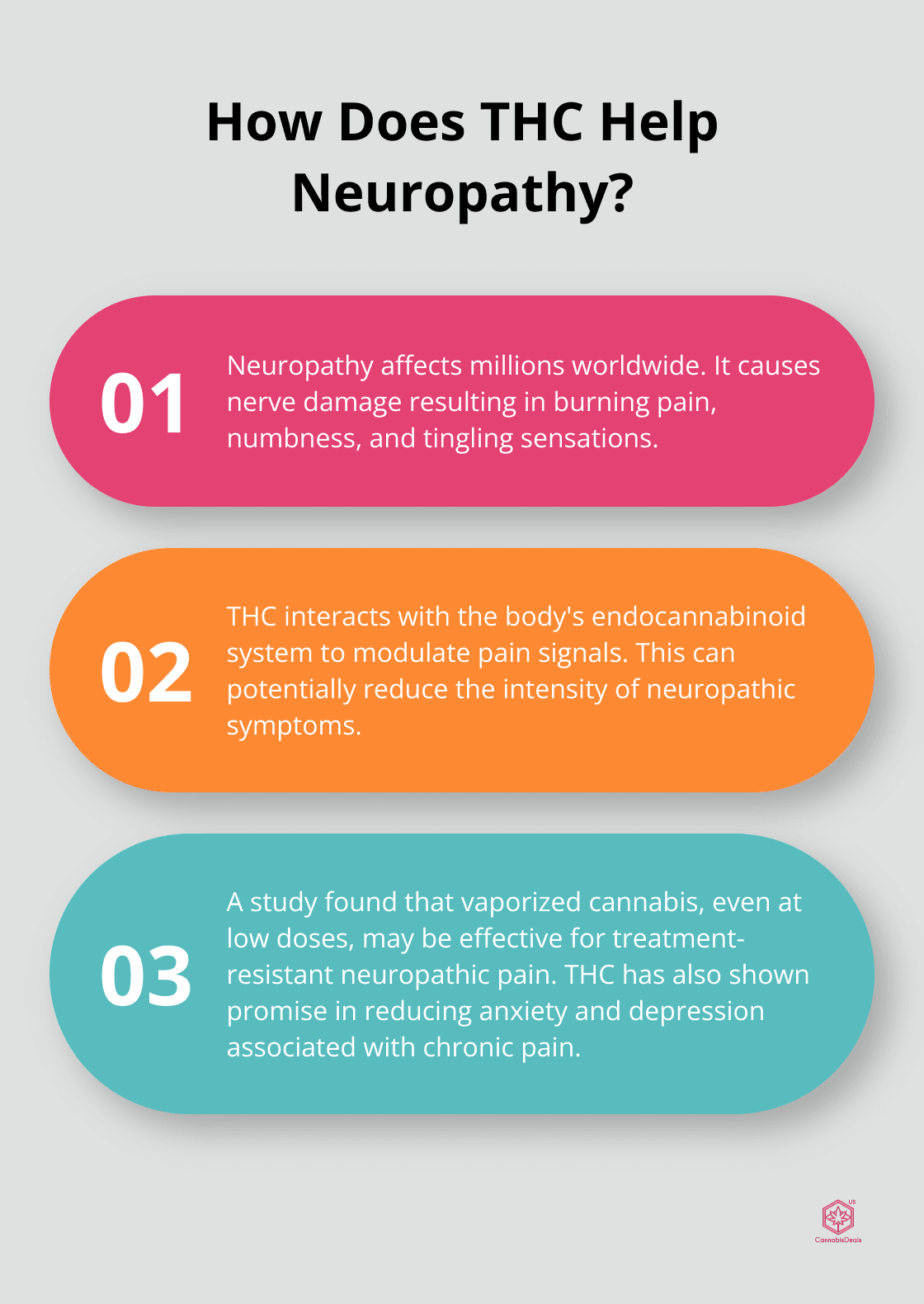
THC, the primary psychoactive compound in cannabis, interacts with the body’s endocannabinoid system (ECS) – Read more about the ECS in our dedicated article in this link. This system regulates pain, mood, and other bodily functions. When THC binds to cannabinoid receptors in the ECS, it can modulate pain signals and potentially reduce the intensity of neuropathic symptoms.
Several studies have shown that THC can effectively reduce pain and inflammation associated with neuropathy. In a 2017 study published in the Journal of Pain Research, researchers found that THC was more effective in reducing neuropathic pain compared to traditional opioids. This is because THC targets the CB1 and CB2 receptors in the endocannabinoid system, which play a crucial role in regulating pain and inflammation.
Potential Benefits of THC for Neuropathy
Research indicates that THC may offer several benefits for neuropathy sufferers. A study found that vaporized cannabis, even at low doses, may present an effective option for patients with treatment-resistant neuropathic pain. THC has also shown promise in reducing anxiety and depression (common companions to chronic pain conditions).
One of the most notable benefits of using THC for neuropathy is its ability to effectively reduce pain. Neuropathic pain is usually described as a burning or shooting sensation and can be difficult to manage with traditional painkillers alone. However, studies have shown that THC can effectively target nerve receptors in the body, providing relief from this type of pain. In fact, a study published in the Journal of Pain Management found that patients who used medical cannabis containing THC reported a significant reduction in pain scores compared to those who did not use it.
But that’s not all – research has also suggested that THC may actually improve nerve function in individuals with neuropathy. This is due to the way THC interacts with the body’s endocannabinoid system, which plays a crucial role in regulating nervous system functions. By activating certain receptors in the body, THC can potentially repair damaged nerves and improve their overall function. This means that not only does THC provide temporary relief from pain, but it may also have long-term benefits for those suffering from neuropathy.
In addition to its effects on nerve function and pain relief, another key benefit of using THC for neuropathy is its anti-inflammatory properties. Neuropathy is often caused by inflammation or damage to nerves, and traditional treatments such as steroids or anti-inflammatory drugs may not always be effective. However, studies have shown that THC has potent anti-inflammatory effects, making it a promising treatment option for reducing nerve inflammation and related symptoms. A study published in the European Journal of Pharmacology found that THC significantly reduced inflammation in animal models of neuropathy.
THC may also have positive effects on sleep and mood for individuals with neuropathy. Chronic pain can often lead to difficulty sleeping and feelings of depression or anxiety. However, THC has been found to have sedative properties, helping individuals with neuropathy get a better night’s sleep. It can also have a positive impact on mood and mental well-being, potentially improving overall quality of life for those with neuropathy.
Comparison to other neuropathy treatments
When it comes to neuropathy treatments, traditional medications often come with significant drawbacks. Not only do they fail to target the root cause of neuropathy, but they also come with various side effects that can be difficult for patients to manage. This is where THC stands out as a game-changing option for treating neuropathy.
Traditional treatments for neuropathy include antidepressants, anticonvulsants, and opioids. These medications may provide temporary relief, but they often come with unwanted side effects such as dizziness, nausea, and even the risk of addiction. Additionally, these treatments do not address the underlying cause of neuropathy, leaving patients to experience continued pain and discomfort.
In contrast, THC offers a more holistic approach to treating neuropathy. By targeting the endocannabinoid system in the body, which plays a crucial role in regulating pain perception, THC can address the root cause of neuropathy and provide long-term relief from symptoms. This is a significant advantage over traditional treatments that only focus on pain management.
Furthermore, compared to traditional medications, THC has shown to have a lower risk of side effects. While conventional treatments may lead to dependence and withdrawal symptoms, research has shown that there is a lower risk of addiction with THC for pain relief. This makes it a safer option for long-term use as well.
In addition, THC also offers a more personalized approach to treating neuropathy. Each individual may have a different experience with neuropathy and respond differently to various treatments. With THC, patients have the opportunity to tailor their dosage and consumption method based on their specific needs. This level of customization can lead to more effective and efficient relief from neuropathy symptoms.
Determining the Optimal THC Dosage
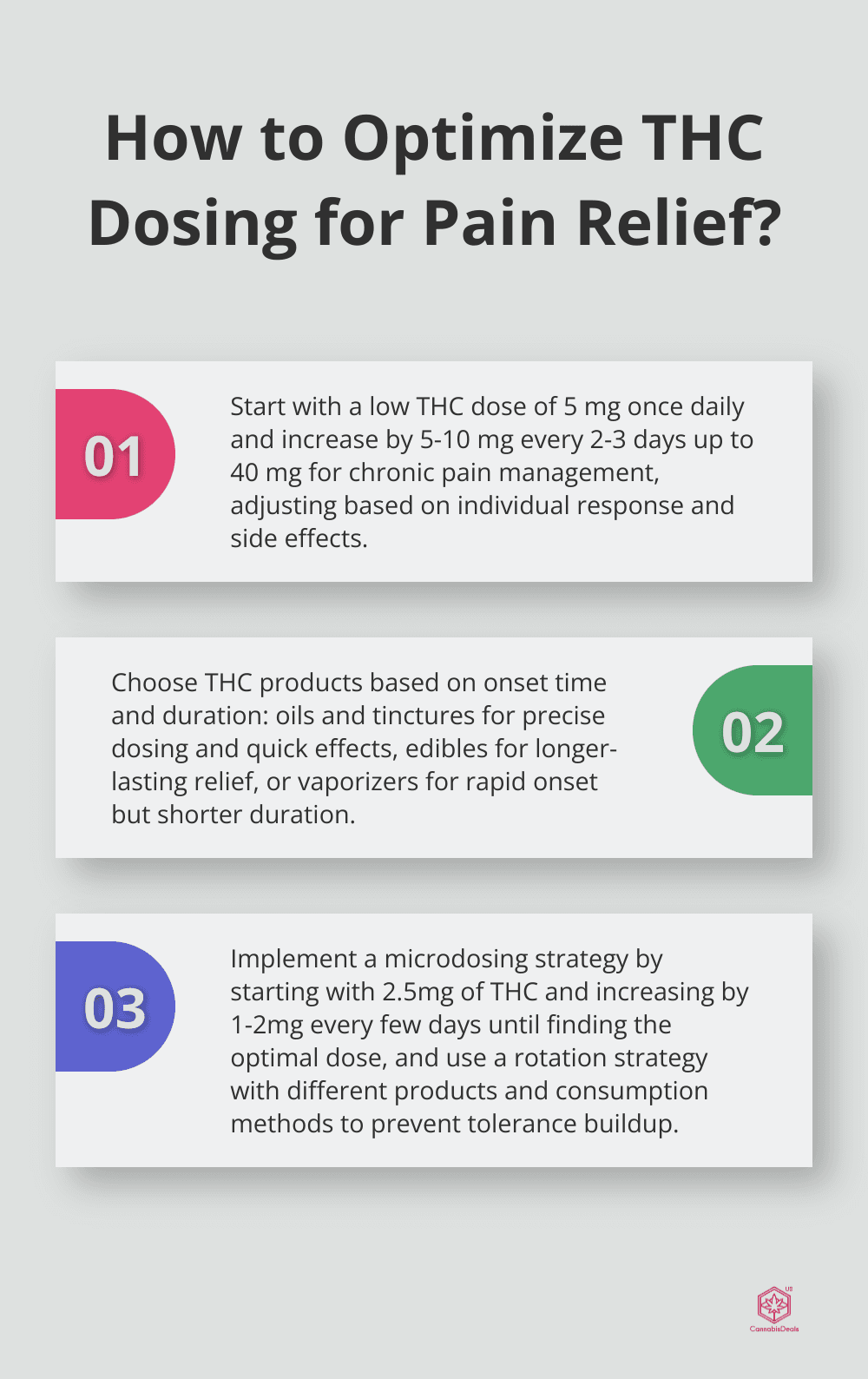
Finding the right THC dosage is essential for effective neuropathy management. A 2021 expert consensus recommended starting with 5 mg of a CBD-predominant strain once daily and up-titrating by 5–10 mg every 2–3 days up to 40 mg CBD for chronic pain management. However, individual responses vary, and some patients may require higher THC concentrations for effective relief.
Many users find success with products containing a balanced THC:CBD ratio. CBD can help mitigate some of THC’s psychoactive effects while potentially enhancing its pain-relieving properties. It’s best to start with a low dose and gradually increase until you find the optimal balance between symptom relief and manageable side effects.
Consistency in dosing is crucial when using THC for neuropathy. Once you have found the optimal amount for symptom relief, it is essential to maintain that dosage consistently. This consistency will not only help with symptom management but also prevent adverse effects from fluctuating dosages. Additionally, finding the right strain of cannabis is vital for effective treatment. Indica strains are known for their relaxing and calming effects, making them suitable for neuropathy symptoms such as pain and muscle spasms. Sativa strains are more energizing and may be beneficial for fatigue and depression associated with neuropathy. Experimenting with different strains and keeping a journal to track their effects can help determine which strain works best for your individual needs.
Combining THC with other treatment methods may provide even greater relief for neuropathy symptoms. Physical therapy, acupuncture, and massage therapy are just a few examples of complementary treatments that can work hand in hand with THC to manage neuropathy symptoms. It is crucial to communicate with your medical team and professionals providing these treatments to ensure there are no negative interactions or contraindications. Working together, they can create a holistic approach to treatingneuropathy that addresses both the physical and neurological aspects of the condition. By combining THC with these therapies, patients can experience enhanced pain relief, improved mobility, and better overall well-being. Each treatment targets different aspects of neuropathy: physical therapy helps restore strength and function, acupuncture can stimulate nerve pathways, and massage therapy may reduce muscle tension and discomfort.
Together, these therapies create a more comprehensive, personalized plan for managing neuropathy symptoms. Always ensure open communication with healthcare providers to adjust treatments as needed, maximizing the benefits of this integrative approach while monitoring for any potential side effects.

Exploring Different THC Product Types
THC comes in various forms, each with its own onset time and duration of effects. Oils and tinctures offer precise dosing and can be easily incorporated into daily routines. Edibles provide longer-lasting relief but take longer to take effect. Vaporizers offer quick onset but shorter duration. The choice depends on individual preferences and symptom patterns.
As we move forward, let’s explore how to choose the right THC products for neuropathy management and discuss pro tips for maximizing their potential benefits.
Selecting THC Products for Neuropathy Relief
Understanding Product Types
THC products for neuropathy come in various forms, each with unique characteristics. Tinctures and oils offer precise dosing and quick onset (15-45 minutes) through sublingual administration. These liquid forms allow for incremental dosage adjustments, ideal for finding your optimal therapeutic range.
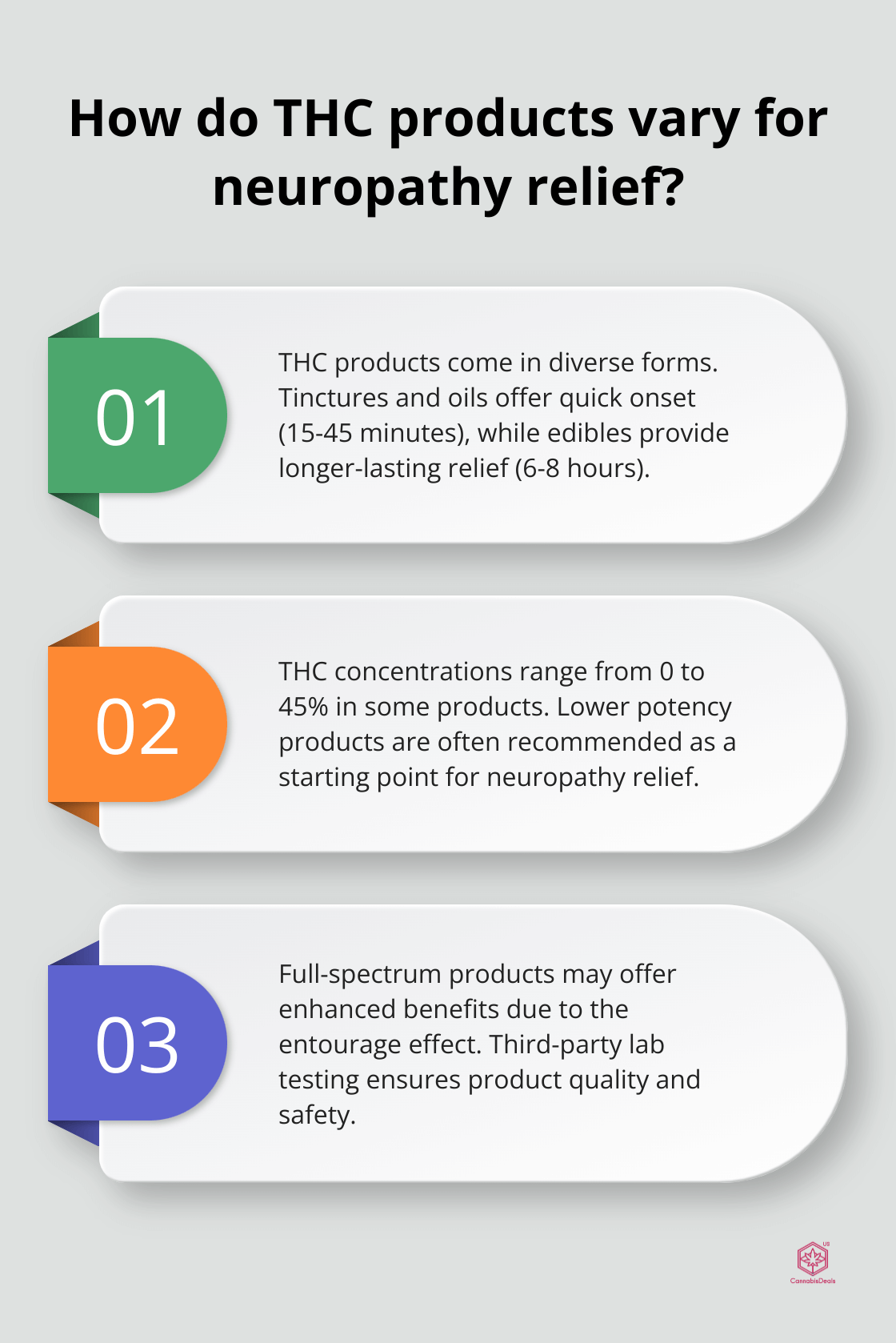
Edibles (gummies, capsules) provide longer-lasting relief but with delayed onset. Effects typically take 1-2 hours to manifest but can persist for 6-8 hours, making them suitable for overnight symptom management. The delayed onset can complicate dosage adjustments.
Vaporizers and flower deliver the fastest effects, often within minutes. This rapid action benefits breakthrough pain but offers shorter relief duration compared to other methods. Vaporizing allows for precise temperature control, affecting the release of specific cannabinoids and terpenes.
Key Factors in Product Selection
Potency plays a critical role in product selection. THC concentrations vary widely, ranging from 0 to 45% in some cases. For neuropathy, lower potency products often serve as a starting point to minimize side effects while gauging individual response.
The entourage effect enhances therapeutic benefits through the synergistic work of multiple cannabis compounds. Full-spectrum products containing various cannabinoids and terpenes may offer more comprehensive relief than isolated THC.
Third-party lab testing ensures product quality and safety. Reputable brands provide certificates of analysis (COAs) that verify cannabinoid content and screen for contaminants. Always check for these test results when selecting products.
Optimal THC:CBD Ratios
While pure THC products can effectively manage neuropathy, many patients find better results with balanced THC:CBD formulations. A 1:1 ratio serves as a common starting point, as CBD can mitigate some of THC’s psychoactive effects while potentially enhancing pain relief.
Some studies suggest a 2:1 THC:CBD ratio may particularly benefit neuropathic pain. The Journal of Pain published a study showing this ratio provided significant pain reduction in male mice models of neuropathy.
For those sensitive to THC’s effects, CBD-dominant products (e.g., 1:4 THC:CBD) offer a gentler introduction. Gradually increasing the THC content helps build tolerance while minimizing side effects.
With a solid understanding of product types and selection factors, let’s explore pro tips for using THC to manage neuropathy effectively.
Maximizing THC Benefits for Neuropathy
The Art of Microdosing
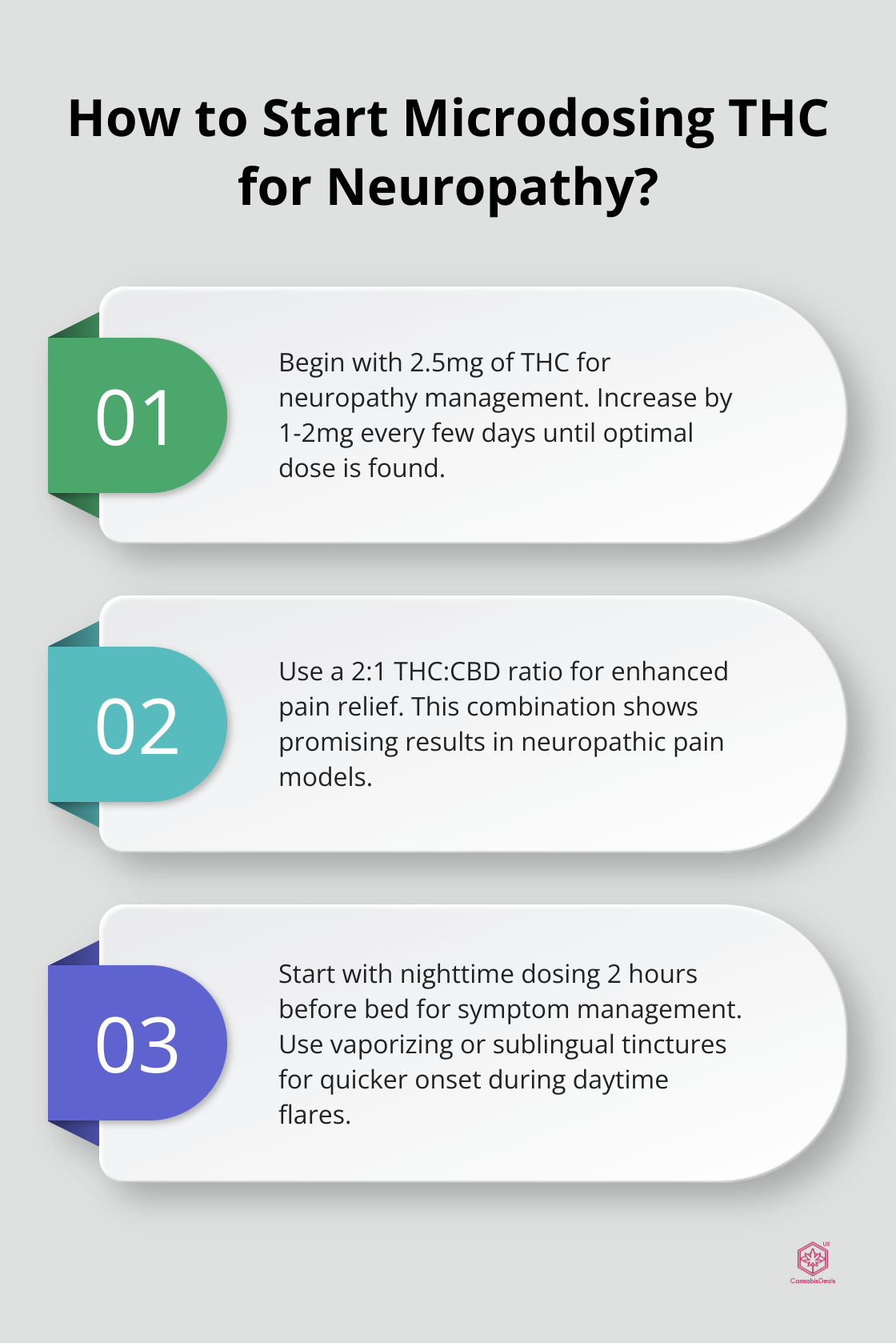
Microdosing revolutionizes neuropathy management for many patients. Begin with 2.5mg of THC and increase by 1-2mg every few days until you find your optimal dose. This method allows you to experience THC’s benefits without overwhelming psychoactive effects. A 2017 study reported survey data from patrons of a Michigan medical marijuana dispensary suggesting that medical cannabis use in pain patients may be beneficial.
Strategic Timing
Align your THC consumption with your pain patterns for optimal relief. If nighttime symptoms worsen, take an edible about 2 hours before bed. For daytime use, vaporizing or sublingual tinctures offer quicker onset, ideal for sudden pain flares. A pain journal helps track the effectiveness of different timing strategies.
Synergistic Approaches
Combine THC with other pain management techniques for a comprehensive approach. CBD enhances THC’s pain-relieving properties while reducing unwanted side effects. A 2:1 THC:CBD ratio shows promising results in neuropathic pain models. Incorporate stress-reduction techniques (e.g., meditation, yoga) to amplify THC’s analgesic effects.
Rotation Strategy
Prevent tolerance buildup by implementing a rotation strategy. Alternate between different THC products and consumption methods. Use a vaporizer during the day and switch to an edible at night. This approach maintains the effectiveness of your THC regimen over time.
Mindful Consumption
Pay attention to how different strains affect your symptoms. Indica-dominant strains often provide better pain relief and relaxation, while sativas might increase anxiety in some users. A strain journal helps identify which varieties work best for your neuropathy.
Hydration and Nutrition
Drink plenty of water when using THC products. Dehydration intensifies side effects like dry mouth and dizziness. Certain foods influence THC’s effects. Fatty meals increase THC absorption from edibles, while vitamin C might slightly reduce its psychoactive impact.
These strategies increase your chances of finding a THC regimen that effectively manages your neuropathy symptoms while minimizing unwanted effects. Individual responses vary, so patience and careful self-monitoring lead to success.
Potential future developments and research
The potential of THC for neuropathy is still being explored and new developments are constantly being made. As this powerful compound gains more attention in the medical field, researchers are dedicating resources to understand its effects on neuropathy more thoroughly.
Ongoing research is shedding light on the specific mechanisms of how THC can provide relief for neuropathy symptoms. A study published in the Journal of Pain and Symptom Management found that cannabinoids like THC interact with cannabinoid receptors in the body’s endocannabinoid system, resulting in pain reduction. Furthermore, another study in the Journal of Neuroinflammation suggests that THC may also have anti-inflammatory effects, making it a potential treatment for neuropathy caused by inflammation.
Future studies may reveal other benefits of THC for neuropathy beyond just pain relief. For example, researchers are investigating its potential to improve nerve regeneration and repair damaged nerves. This could be groundbreaking for those with diabetic neuropathy or other forms of nerve damage.
The legalization of medical marijuana in many states has opened up opportunities for further research on THC and its effects on neuropathy. In 2018, a study conducted by researchers at the University of California San Diego found that patients with neuropathic pain who used cannabis reported significant improvements in pain severity and quality of life. With more states legalizing medical marijuana, we can expect to see even more studies exploring the use of THC for neuropathy.
Researchers are also examining the potential use of different strains and forms of cannabis to effectively treat neuropathy. Some studies have suggested that strains higher in THC may be more effective at reducing pain and inflammation compared to those higher in CBD. Additionally, different forms such as edibles or topicals may provide unique benefits for neuropathy sufferers.
As more evidence emerges, healthcare providers may become more open to prescribing THC as a treatment option for neuropathy. Currently, many doctors are hesitant to recommend medical marijuana due to lack of research and potential biases against cannabis. However, as more studies are conducted and positive results are found, we can expect to see a shift in attitudes towards using THC for neuropathy.
In conclusion, the potential for THC as a game-changer for neuropathy is vast and there is still much research to be done. As more studies are conducted and evidence emerges, we can expect to see continued developments and advancements in utilizing THC for neuropathy treatment. It is an exciting time for those suffering from this debilitating condition, as the future looks promising for the use of THC to alleviate symptoms and improve overall quality of life.
Final Thoughts
THC for neuropathy offers promising potential in managing this challenging condition. Through its interaction with the endocannabinoid system, THC may provide relief from the burning pain, numbness, and tingling sensations that characterize neuropathy. However, everyone’s experience with THC is unique, and finding the right balance often requires patience and careful experimentation.
Consulting with healthcare professionals familiar with cannabis-based treatments is essential for personalized guidance and safety. They can help monitor your progress and ensure that THC use doesn’t interfere with existing medications or treatments. Product quality and affordability are also key concerns when considering THC as part of a neuropathy management plan.
CannabisDeals US compares prices on thousands of CBD and THC products from reputable merchants, helping you find the best deals (without compromising on quality). We make it easy to explore different options and find products that suit your needs and budget. As research into THC for neuropathy continues to evolve, staying informed about the latest developments will help you make educated decisions about your treatment options.
Last Updated on April 16, 2026 by CannabisDealsUS Editorial Team