


Oral Cannabis Consumption Methods
Oral cannabis consumption involves ingesting cannabis products through the digestive system. These methods provide long-lasting effects and are popular for both recreational and medical use.
Understanding Oral Cannabis
When cannabis is consumed orally, it passes through the digestive system and is metabolized by the liver before entering the bloodstream. This process, called first-pass metabolism, converts THC into 11-hydroxy-THC, a more potent metabolite that produces stronger and longer-lasting effects compared to other consumption methods.
Key Characteristics of Oral Consumption
- Delayed onset: Effects typically begin 30 minutes to 2 hours after consumption
- Extended duration: Effects can last 4-12 hours, sometimes longer
- Stronger effects: The liver conversion process creates more potent compounds
- Variable absorption: Effects depend on metabolism, stomach contents, and individual factors
- Discreet consumption: No smoke or vapor, looks like regular food/drink
- No lung irritation: Safe for those with respiratory issues
Types of Oral Cannabis Products
Edibles
Cannabis-infused food products are the most common form of oral consumption. These range from professionally manufactured products to homemade creations.
Baked Goods
Classic cannabis edibles including brownies, cookies, cakes, muffins, and other pastries. These products typically use cannabis-infused butter or oil as an ingredient. Baked goods offer familiar flavors and textures but can have variable potency distribution if not made professionally. Onset time is typically 45 minutes to 2 hours, with effects lasting 4-8 hours.
Gummies and Candies
The most popular modern edible format. Cannabis gummies come in precise doses (usually 5mg or 10mg per piece), consistent potency, and a wide variety of flavors. Hard candies, lollipops, mints, and chocolate bars also fall into this category. These products are ideal for controlled dosing and have good shelf stability. Effects begin in 30-90 minutes and last 4-6 hours.
Chocolates
Premium cannabis-infused chocolate bars, truffles, and bonbons. Chocolate is an excellent carrier for cannabinoids due to its fat content. Available in various cocoa percentages and flavor combinations. Often divided into precise dose squares (5-10mg each). High-quality chocolates mask the cannabis taste effectively. Onset typically 30-60 minutes, duration 4-6 hours.
Savory Edibles
Cannabis-infused chips, crackers, pretzels, popcorn, jerky, and other savory snacks. These provide alternatives for those who don’t enjoy sweet edibles. Often lower doses per serving compared to sweet edibles. Some dispensaries offer prepared meals or meal kits infused with cannabis.
Dissolvable Tablets
Fast-acting tablets designed to dissolve in the mouth or be swallowed whole. These use advanced encapsulation technology for quicker onset (sometimes 15-30 minutes) compared to traditional edibles. Available in precise doses and ideal for medical patients requiring consistent effects.
Beverages
Cannabis-infused drinks offer a social, familiar way to consume cannabis that mimics the experience of having a cocktail or soft drink.
Cannabis Sodas and Sparkling Waters
Carbonated beverages infused with THC, CBD, or both. These often use nanoemulsion technology for faster onset (10-30 minutes) compared to traditional edibles. Available in various flavors like lemon-lime, cola, fruit punch, and botanical blends. Typically contain 5-10mg per bottle or can.
Cannabis Teas and Coffee
Hot beverages infused with cannabis or designed to have cannabis added. Cannabis tea bags may contain ground cannabis flower or isolated cannabinoids. Coffee products include infused grounds, instant mixes, or creamers. The hot liquid can speed absorption slightly. Effects begin in 30-60 minutes.
Cannabis Shots
Concentrated liquid doses in small bottles (similar to energy shots). These provide measured doses in 1-2 ounces of liquid, making them easy to consume quickly. Often formulated with emulsification technology for faster onset and better bioavailability.
Cannabis Mocktails and Cocktails
Ready-to-drink mixed beverages or mixers designed to create cannabis cocktails. Some products mimic the effects and social experience of alcoholic beverages. Available in sophisticated flavor profiles from cannabis beverage brands.
Milk and Dairy Alternatives
Cannabis-infused milk, almond milk, oat milk, or other dairy alternatives. These can be consumed directly or used in smoothies, cereal, or cooking. Good for those who prefer dairy-based consumption methods.
Capsules and Pills
Pharmaceutical-style cannabis products that provide precise, consistent dosing without taste or calories.
Gel Capsules
Standard capsules filled with cannabis oil or distillate. These are tasteless, easy to swallow, and provide exact dosing. Available in various strengths (2.5mg to 50mg or higher). Some are formulated for daytime use (sativa-dominant) or nighttime (indica-dominant). Onset time is 45-90 minutes, duration 6-8 hours.
Extended-Release Capsules
Advanced formulations designed to release cannabinoids slowly over an extended period (8-12 hours). Ideal for medical patients requiring consistent symptom management throughout the day or night. These provide steady effects without peaks and valleys.
Softgels
Soft gelatin capsules that may offer slightly faster absorption than standard capsules. Often contain additional ingredients like omega fatty acids or herbal supplements to enhance effects or target specific conditions.
Cannabis Cooking Oils and Butter
These are ingredients for home cooking rather than ready-to-eat products, but they’re an important category of oral consumption.
Cannabis-Infused Butter (Cannabutter)
Butter that has been infused with cannabis through a slow-cooking process. Used in any recipe calling for regular butter. Allows for homemade edibles with customizable strength. Must be properly dosed and stored. Can be spread on toast or used in cooking.
Cannabis-Infused Cooking Oils
Oils like coconut oil, olive oil, or MCT oil infused with cannabis. These have a longer shelf life than butter and can withstand higher cooking temperatures. Versatile for both cooking and baking. Some commercial products come with precise dosing information per teaspoon.
Cannabis Honey and Syrups
Sweet infused products that can be added to tea, drizzled on food, or consumed directly. Honey has natural preservative properties and a long shelf life. Syrups are available in various flavors for coffee, pancakes, or mixing into drinks.
How Oral Cannabis Works in the Body
The Digestion Process
- Consumption: Cannabis product is eaten or drunk
- Stomach: Product begins breaking down in stomach acid
- Small intestine: Cannabinoids are absorbed through intestinal walls
- Liver: First-pass metabolism converts THC to 11-hydroxy-THC
- Bloodstream: Converted cannabinoids enter bloodstream
- Brain and body: Effects begin as compounds cross blood-brain barrier
Factors Affecting Onset and Duration
Metabolism
Individual metabolic rate significantly affects how quickly edibles take effect and how long they last. People with faster metabolisms may feel effects sooner but for shorter durations. Those with slower metabolisms may wait longer but experience extended effects.
Stomach Contents
Taking edibles on an empty stomach typically results in faster onset (30-60 minutes) but may be more intense. Consuming edibles with or after a meal slows absorption (1-2 hours) but may provide more gradual, manageable effects. Fatty foods can enhance cannabinoid absorption.
Product Formulation
Advanced formulations using nanoemulsion or encapsulation technology can significantly reduce onset time to 15-30 minutes. Traditional edibles typically take 45-90 minutes. Beverages often act faster than solid foods due to liquid absorption.
Tolerance Level
Regular cannabis users develop tolerance, requiring higher doses to achieve desired effects. New users should start with very low doses (2.5-5mg THC) as they have no tolerance and may be very sensitive to effects.
Body Composition
Body weight, fat percentage, and overall health can influence how cannabinoids are processed. THC is fat-soluble and may be stored in fatty tissues, affecting both onset and duration.
Dosage Guidelines for Oral Cannabis
THC Dosing Chart
Microdose (1-2.5mg THC)
Who it’s for: First-time users, those extremely sensitive to THC, or people seeking minimal psychoactive effects while maintaining full functionality.
Effects: Subtle relaxation, slight mood elevation, minimal to no intoxication, may enhance focus or creativity.
Duration: 2-4 hours
Low Dose (2.5-5mg THC)
Who it’s for: Beginners, casual users, or those using cannabis for mild symptoms like stress or minor discomfort.
Effects: Mild euphoria, relaxation, improved mood, slight physical sensation, increased appetite, enhanced sensory perception.
Duration: 4-6 hours
Standard Dose (5-10mg THC)
Who it’s for: Regular recreational users or medical patients with some cannabis experience.
Effects: Clear euphoria, enhanced sensory perception, noticeable physical relaxation, impaired coordination and memory, strong appetite increase.
Duration: 6-8 hours
Moderate Dose (10-20mg THC)
Who it’s for: Experienced users with established tolerance or medical patients requiring stronger effects.
Effects: Strong euphoria, altered perception, significant body effects, impaired coordination, possible anxiety in inexperienced users.
Duration: 8-10 hours
High Dose (20-50mg THC)
Who it’s for: Very experienced users, high-tolerance individuals, or medical patients with serious conditions.
Effects: Very strong euphoria, heavily impaired coordination, altered time perception, significant body effects, high probability of adverse effects in inexperienced users.
Duration: 10-12 hours or more
Very High Dose (50-100mg+ THC)
Who it’s for: Only for individuals with extremely high tolerance or serious medical conditions requiring high doses.
Effects: Intense psychoactive effects, potential for uncomfortable experiences including anxiety, paranoia, nausea. Not recommended for most users.
Duration: 12+ hours
CBD Dosing
CBD is non-intoxicating and generally well-tolerated in doses from 5mg to 100mg or higher.
| Dose Level | CBD Amount | Best For |
|---|---|---|
| Mild Effects | 5-15mg | General wellness, stress relief, mild discomfort |
| Moderate Effects | 15-30mg | Anxiety, inflammation, moderate pain |
| Strong Effects | 30-60mg | Severe anxiety, chronic pain, significant inflammation |
| Therapeutic Doses | 60-100mg+ | Serious medical conditions, seizure disorders, severe symptoms |
Important Dosing Rules
- Start low, go slow: Begin with the lowest dose possible (2.5-5mg THC)
- Wait before redosing: Allow at least 2-3 hours to feel full effects before consuming more
- Don’t mix with alcohol: Cannabis and alcohol can intensify each other’s effects unpredictably
- Keep a journal: Track doses, products, and effects to find your optimal dose
- Be patient: The delayed onset of edibles is the number one reason for overconsumption
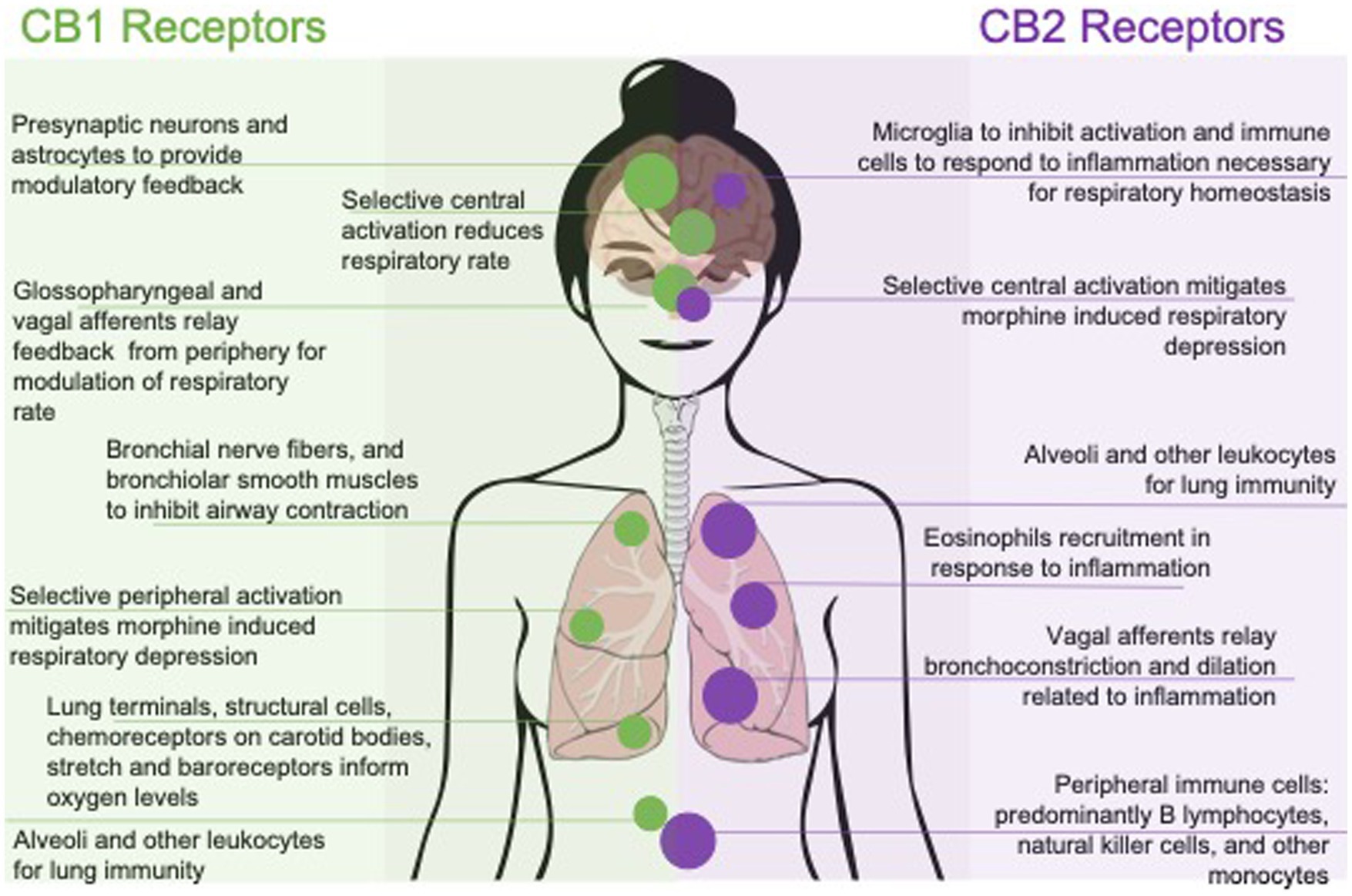
Research on the endocannabinoid system and breathing
How to Use Oral Cannabis Products
Best Practices for Edibles
- Read the label carefully to understand total THC/CBD content and serving size
- Start with a single serving (5-10mg THC for beginners, lower if sensitive)
- Consume in a comfortable, safe environment, especially when trying a new product
- Set aside adequate time – plan for effects to last several hours
- Have non-cannabis snacks and drinks available
- Wait at least 2 hours before considering additional doses
- Don’t drive or operate machinery while under the effects
- If effects are too strong, stay calm, hydrate, and rest – effects will pass
Timing Considerations
Empty stomach: Faster onset (30-60 minutes), potentially more intense effects. Good for experienced users who know their tolerance.
With food: Slower onset (1-2 hours), more gradual effects. Recommended for beginners. Fatty foods can enhance absorption and effects.
Before bed: Take 2-3 hours before desired sleep time to allow for onset. Higher doses may cause grogginess the next day.
For all-day relief: Consider extended-release capsules or split doses throughout the day.
Best Uses for Oral Cannabis
Medical Applications
- Chronic pain: Long-lasting relief for conditions like arthritis, fibromyalgia, and neuropathy
- Sleep disorders: Extended effects help maintain sleep through the night
- Appetite stimulation: Helpful for cancer patients, eating disorders, or wasting syndromes
- Anxiety and PTSD: Sustained relief from persistent symptoms
- Nausea and vomiting: Particularly helpful for chemotherapy patients
- Muscle spasms and seizures: Consistent dosing provides steady symptom control
- Inflammation: Systemic anti-inflammatory effects for conditions like Crohn’s disease
Recreational Uses
- Social gatherings and parties (in legal jurisdictions)
- Relaxation and stress relief after work
- Enhancing creative activities or entertainment
- Outdoor activities like hiking or concerts (with appropriate dosing)
- Replacing or reducing alcohol consumption
Advantages of Oral Cannabis
Long-Lasting Effects
The extended duration (4-12 hours) makes oral cannabis ideal for conditions requiring sustained relief. Medical patients can manage symptoms through an entire workday or night with a single dose, reducing the need for frequent redosing.
Lung-Friendly
No smoke or vapor means no respiratory irritation. Perfect for patients with asthma, COPD, or other lung conditions. Also beneficial for those who simply prefer not to inhale substances.
Discreet and Convenient
Edibles look like regular food products with no telltale smell. They can be consumed anywhere food is permitted without drawing attention. Easy to transport and store.
Precise Dosing
Commercial edibles are lab-tested and precisely dosed, making it easy to achieve consistent effects. Each gummy or capsule contains exactly the amount stated on the label.
No Special Equipment
Unlike smoking or vaping, edibles require no additional tools, devices, or preparation. Just open and consume.
Variety of Options
The wide range of products means everyone can find something that suits their taste preferences and dietary restrictions (vegan, gluten-free, sugar-free options available).
Disadvantages and Challenges
Delayed Onset
The 30-120 minute wait time can lead to impatience and overconsumption. Many first-time users make the mistake of taking more because they “don’t feel anything yet.” This often results in consuming too much and having an overwhelming experience.
Variable Effects
Individual differences in metabolism, stomach contents, and body chemistry mean effects can vary significantly between people and even between uses in the same person. What works one day might feel different another day.
Difficulty Controlling Experience
Once consumed, you cannot reduce the dose. If effects are too strong, you must wait for them to pass (which can take many hours). Unlike smoking or vaping, you cannot simply stop consuming to halt effects.
Potential for Overconsumption
The delayed onset combined with the stronger effects of 11-hydroxy-THC makes edibles the most common cause of cannabis-related emergency room visits. These experiences, while not medically dangerous, can be very unpleasant.
Long Duration Can Be a Drawback
While long-lasting effects are usually an advantage, they become a disadvantage if effects are too strong or if unexpected obligations arise. You may be impaired for 8-12 hours.
Calories and Sugar Content
Many edibles contain significant calories and sugar, which may be a concern for people managing diabetes or weight. Capsules avoid this issue but lack the enjoyment factor.
Safety Tips and Harm Reduction
Preventing Overconsumption
- Follow the 2-hour rule: Wait at least 2 hours before taking more. Even if you feel nothing, effects may still be building.
- Mark your dose: Write down what you took and when. Set a timer if needed.
- Keep edibles away from children and pets: Store in child-proof containers in locked cabinets. Cannabis edibles look like regular treats and can be very dangerous for children and animals.
- Label homemade edibles clearly: Prevent accidental consumption by others.
- Never drive: Plan to stay home or have transportation arranged.
What to Do If You’ve Taken Too Much
If you or someone else has consumed too much cannabis and is experiencing anxiety, paranoia, rapid heartbeat, or extreme discomfort:
- Stay calm: Remember that cannabis overdose is not fatal. Effects will pass.
- Get comfortable: Lie down in a safe, quiet environment
- Hydrate: Drink water or juice (avoid alcohol)
- Try black pepper: Smelling or chewing black peppercorns may help reduce anxiety (contains beta-caryophyllene)
- Use CBD: If available, CBD can help counteract THC effects
- Distract yourself: Watch a familiar, comforting movie or listen to calming music
- Sleep it off: Rest is often the best remedy
- Seek medical help if needed: While rare, if someone shows severe symptoms like difficulty breathing or loss of consciousness, call emergency services
Storage and Shelf Life
Proper storage: Keep edibles in airtight containers in cool, dark places. Refrigerate products with short shelf lives. Freezing can extend shelf life for many products.
Check expiration dates: Most commercial edibles remain potent for 6-12 months when stored properly. Homemade edibles should follow the shelf life of their base ingredients.
Making Informed Choices
Reading Labels
Quality cannabis edibles should include:
- Total THC and CBD content in milligrams
- THC/CBD per serving
- Number of servings per package
- List of ingredients
- Expiration or “best by” date
- Lab testing information or batch number
- Warning labels and usage instructions
- Storage recommendations
Choosing Quality Products
- Buy from licensed dispensaries: Regulated products must pass testing for potency, pesticides, and contaminants
- Look for third-party testing: Reputable brands provide lab results (Certificates of Analysis)
- Check reviews: See what other consumers say about consistency and effects
- Consider the source: Know the brand’s reputation and manufacturing practices
- Avoid homemade edibles from unknown sources: Dosing can be wildly inconsistent
When to Choose Edibles Over Other Methods
Oral cannabis is the best choice when:
- You need long-lasting effects (6+ hours)
- You want to avoid inhalation
- You need precise, consistent dosing
- You prefer discreet consumption
- You’re managing chronic conditions requiring sustained relief
- You want a smoke-free, social consumption experience
Consider other methods when:
- You need immediate effects (smoking/vaping offer 5-10 minute onset)
- You want more control over the experience (sublingual for 15-30 minute onset)
- You’re new to cannabis and want to start very cautiously (topicals have no psychoactive effects)
- You need to adjust dosing quickly based on effects
Oral Consumption summary
Oral cannabis consumption methods offer powerful, long-lasting effects that make them excellent choices for both medical and recreational users. The key to successful use is understanding the delayed onset, starting with low doses, and being patient. While the learning curve can be steeper than other methods, many users find that edibles, beverages, and capsules provide the most effective and convenient way to incorporate cannabis into their wellness routines or recreational activities.
Always prioritize safety by purchasing from reputable sources, starting with minimal doses, waiting adequate time before redosing, and consuming in safe environments. With proper education and responsible use, oral cannabis can be an effective tool for managing various conditions and enhancing quality of life.
Remember: Start low, go slow, and always wait at least 2 hours before considering additional doses.
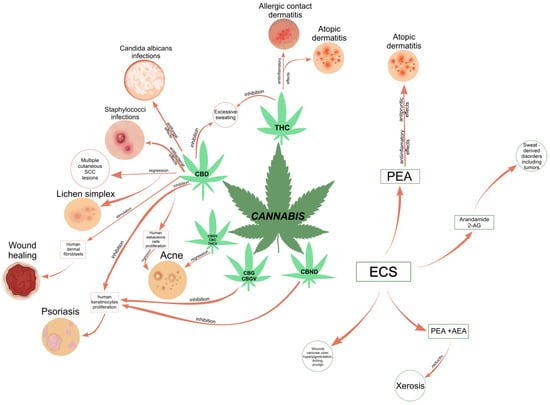
Research: The Skin and Natural Cannabinoids–Topical and Transdermal Applications | MDPI
The article reviews how natural cannabinoids, especially CBD, THC, CBG, and others, interact with the skin’s endocannabinoid system (ECS) and how they can be used topically (local effects) or transdermally (systemic effects). It highlights therapeutic potential, challenges, delivery technologies, and future directions.
Topical and Sublingual Cannabis Methods
These cannabis consumption methods focus on localized or controlled absorption without strong psychoactive effects.
Topical Cannabis Products
Creams, balms, and lotions applied directly to the skin for targeted relief
Key Benefits of Topicals
- No psychoactive effects: Cannabinoids don’t enter the bloodstream (except transdermal patches)
- Targeted relief: Apply directly to affected areas for localized treatment
- Long-lasting: Effects can persist for 2-4 hours
- Discreet use: No odor or visible consumption
- Safe for beginners: No risk of intoxication with standard topicals
Common Topical Product Types
Lotions & Creams
Lightweight formulations designed for daily use that are easily absorbed into the skin. These products typically contain lower concentrations of cannabinoids and are ideal for general muscle soreness, skin hydration, and minor inflammation. Best applied to large surface areas.
Balms & Salves
Thicker, more concentrated products with a wax or butter base. These are best for deep muscle pain, joint inflammation, and localized discomfort. The higher concentration of cannabinoids and essential oils provides more intensive relief. Apply to specific problem areas like knees, shoulders, or lower back.
Transdermal Patches
Advanced delivery systems that use technology to push cannabinoids through the skin and into the bloodstream. Unlike other topicals, these DO enter the bloodstream and may cause mild psychoactive effects. They provide steady, controlled release over 8-12 hours and are useful for systemic pain relief and consistent dosing.
Bath Products
Cannabis-infused bath bombs, salts, and soaks for whole-body relaxation. While the water helps open pores for better absorption, these products primarily provide localized topical effects rather than systemic ones. Excellent for muscle recovery, stress relief, and skin nourishment.
Massage Oils
Liquid formulations designed for therapeutic massage. These combine the benefits of cannabinoids with the relaxation of massage therapy. Often contain additional therapeutic essential oils like lavender, eucalyptus, or peppermint.
How to Use Topical Cannabis Products
- Clean and dry the affected area thoroughly
- Apply a generous amount of product to the skin
- Massage gently in circular motions until fully absorbed
- Wait 15-45 minutes for effects to begin
- Reapply as needed, typically every 4-6 hours
- Wash hands after application unless treating hands
Best Uses for Topical Cannabis
- Arthritis and joint pain relief
- Muscle soreness and inflammation after exercise
- Skin conditions such as eczema, psoriasis, and dermatitis
- Localized nerve pain and neuropathy
- Headaches and migraines when applied to temples and neck
- Minor cuts, scrapes, and skin irritations
- Chronic pain in specific body areas
Sublingual Cannabis Tinctures
Liquid extracts absorbed under the tongue for faster onset than edibles
Key Benefits of Sublingual Products
- Fast onset: Effects begin in 15-30 minutes, much faster than edibles
- Precise dosing: Easy to control exact amounts with graduated droppers
- Discreet consumption: No smoke, vapor, or strong odors
- Higher bioavailability: Better absorption than oral edibles (bypasses first-pass metabolism)
- Flexible dosing: Easy to microdose or adjust amount based on needs
- Longer shelf life: Tinctures remain potent for 1-2 years when stored properly
Sublingual Product Types
Oil-Based Tinctures
Cannabis extracts suspended in carrier oils such as MCT oil, olive oil, or hemp seed oil. These are the most common type of tincture and offer excellent shelf stability. The oil base helps cannabinoids absorb through the mucous membranes under the tongue. Available in various potencies and cannabinoid ratios (THC, CBD, or balanced).
Alcohol-Based Tinctures
Traditional extraction method using food-grade ethanol as the solvent and carrier. These tinctures have a stronger, more medicinal taste but may offer slightly faster absorption than oil-based versions. The alcohol content is typically low (around 60-70 proof) but should be considered by those avoiding alcohol.
Sublingual Strips
Thin, dissolvable films similar to breath strips that are placed under the tongue. These provide pre-measured doses for consistent effects and are extremely portable and discreet. They dissolve completely within 1-2 minutes and are ideal for precise, repeatable dosing.
Sublingual Sprays
Spray applicators that deliver measured doses with each pump. These are convenient for on-the-go use and make it easy to administer consistent doses. Each spray typically delivers 1-5mg of cannabinoids. Often flavored to improve taste.
How to Use Sublingual Tinctures
- Shake the bottle well before use to ensure even distribution
- Fill the dropper to your desired dose (start with the lowest recommended amount)
- Place drops directly under your tongue, avoiding contact with the dropper tip to teeth/tongue
- Hold the liquid under your tongue for 60-90 seconds without swallowing
- Swallow any remaining liquid after the hold time
- Wait 15-30 minutes to assess effects before considering redosing
- Avoid eating or drinking for 10 minutes after administration for best absorption
Dosage Guidelines for Sublingual Products
Beginner Doses
THC: 2.5-5mg for first-time users or those with low tolerance. Start at the lower end and wait at least 2 hours before increasing.
CBD: 5-15mg for general wellness, stress, or mild discomfort. CBD is non-intoxicating so higher doses are generally well-tolerated.
Intermediate Doses
THC: 5-15mg for those with some cannabis experience. This range provides noticeable therapeutic effects while remaining manageable.
CBD: 15-30mg for moderate pain, anxiety, or inflammation. Many users find this range effective for daily wellness routines.
Experienced Doses
THC: 15-30mg or higher for experienced users or those with developed tolerance. Medical patients with chronic conditions may require higher doses.
CBD: 30-60mg or higher for significant pain, severe anxiety, or serious medical conditions. Some therapeutic protocols use 100mg+ daily.
Best Uses for Sublingual Cannabis
- Anxiety and stress management throughout the day
- Pain relief for mild to moderate chronic pain
- Sleep support and insomnia treatment
- Appetite stimulation for medical patients
- Those seeking faster effects than traditional edibles
- Precise medical dosing for consistent symptom management
- Nausea and digestive issues
- Inflammation and autoimmune conditions
Quick Comparison: Topicals vs Sublinguals
| Feature | Topicals | Sublinguals |
|---|---|---|
| Onset Time | 15-45 minutes | 15-30 minutes |
| Duration of Effects | 2-4 hours | 4-6 hours |
| Psychoactive Effects | No (except transdermal patches) | Yes, if THC is present |
| Method of Absorption | Through skin layers | Through mucous membranes |
| Best Primary Use | Localized pain and skin conditions | Systemic effects and whole-body relief |
| Dosing Precision | Moderate (apply as needed) | High (measured droppers) |
| Discretion Level | Very high | Very high |
| Learning Curve | Very easy | Easy to moderate |
Why Choose Topical or Sublingual Methods for Wellness
Both topical and sublingual methods have become increasingly popular for wellness-focused cannabis consumption. Here’s why:
Controlled Experience
Precise dosing and predictable effects make it easier to integrate cannabis into daily wellness routines without disruption to work, family, or social activities. You can maintain full functionality while managing symptoms.
Minimal Side Effects
These methods carry a lower risk of overconsumption and unwanted psychoactive effects compared to smoking, vaping, or traditional edibles. Topicals provide zero intoxication, while sublinguals allow for precise control to find your optimal therapeutic dose without excessive effects.
Professional and Social Compatibility
Discreet methods that can be used without interfering with professional obligations or daily responsibilities. No telltale odors or visible consumption means you can medicate as needed throughout the day.
Lung-Friendly Options
No inhalation required, making them ideal for those with respiratory concerns, asthma, or anyone who prefers not to smoke. These methods eliminate exposure to combustion byproducts or vaporized particles.
Customizable Relief
Both methods offer various cannabinoid ratios (THC-dominant, CBD-dominant, or balanced) allowing users to customize their experience based on specific needs and desired effects.
Consistent and Reliable
When used properly, these methods provide consistent, repeatable results that make it easier to establish an effective wellness routine and predict how you’ll feel.
Safety and Best Practices
Start Low, Go Slow
Begin with minimal doses and gradually increase over several days or weeks until you find your optimal therapeutic amount. This approach minimizes side effects and helps you understand your personal tolerance and needs.
Check Product Ingredients
Review all product labels carefully for potential allergens, irritants, or ingredients you may be sensitive to. This is especially important for topical products that may contain essential oils, fragrances, or botanical extracts. Look for third-party lab testing results (COAs) to verify cannabinoid content and purity.
Proper Storage
Keep all cannabis products in cool, dark places away from direct sunlight and heat. Tinctures should be stored upright and may benefit from refrigeration (check manufacturer recommendations). Topicals should be kept tightly sealed to prevent contamination and maintain potency. Keep all products away from children and pets.
Consult Healthcare Providers
Discuss cannabis use with your doctor or healthcare provider, especially if you’re taking other medications. Cannabis can interact with certain pharmaceuticals, including blood thinners, sedatives, and some antidepressants. Your healthcare provider can help you integrate cannabis safely into your overall treatment plan.
Patch Test Topicals
Before applying any new topical product to large areas, perform a patch test on a small area of skin and wait 24 hours to check for allergic reactions or irritation.
Track Your Experience
Keep a journal noting the product used, dose, time of administration, and effects experienced. This helps you optimize your routine and communicate effectively with healthcare providers.
Source Quality Products
Purchase from licensed, reputable dispensaries or retailers that provide lab-tested products. Avoid unregulated products from unknown sources, as these may contain contaminants or inaccurate cannabinoid content.

Ready to Find the Best Deals?
The CannabisDealsUS Price Index tracks live discounts across 200+ verified merchants and brands. Compare prices before you buy.
Compare Prices →All Deals →